

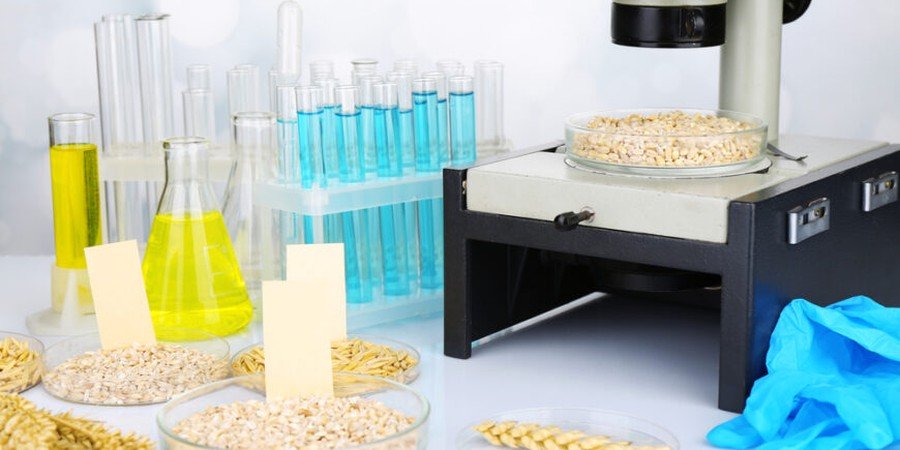
Quality control processes in nut production play a vital role in ensuring the best products are delivered to consumers. High-quality, reliable products not only increase customer satisfaction but also strengthen the brand's reputation in the industry. In this article, we'll explore how quality control processes work in the nut industry and why they're so important.
1. Raw Material Selection
The first step in the quality control process is the careful selection of raw materials. Selecting high-quality, fresh nuts directly impacts the quality of the final product. Therefore, manufacturers source their products from the best suppliers and implement strict inspections at the incoming raw materials.
2. Quality Controls in the Production Process
Quality controls are conducted at specific stages during nut processing. Products are continuously tested throughout the production lines for their physical properties, nutritional value, and compliance with hygienic conditions. This process is vital to ensuring product compliance with standards.
3. Packaging and Storage Stages
The packaging and storage of nuts are also part of quality control processes. Appropriate packaging methods are used during the packaging phase to maintain product freshness and hygiene. Furthermore, ensuring that storage areas meet hygiene standards and that products are stored under appropriate conditions ensures quality.
Quality control processes in nut production ensure that products reach consumers while preserving their freshness and nutritional value. These processes, implemented at every stage from raw material selection to packaging, enhance brand credibility and customer satisfaction. Providing quality products is critical to long-term success in the industry.